
"Be willing to experiment": How journalists can build tolerance for the unknown
Simone Stolzoff, author of How Not to Know, offers advice on living with uncertainty

Welcome to The Writethrough. Last week Jackie used the blog to process her feelings about journalism’s demise being a subplot in The Devil Wears Prada 2. This week: how to deal with uncertainty (a good follow on.)
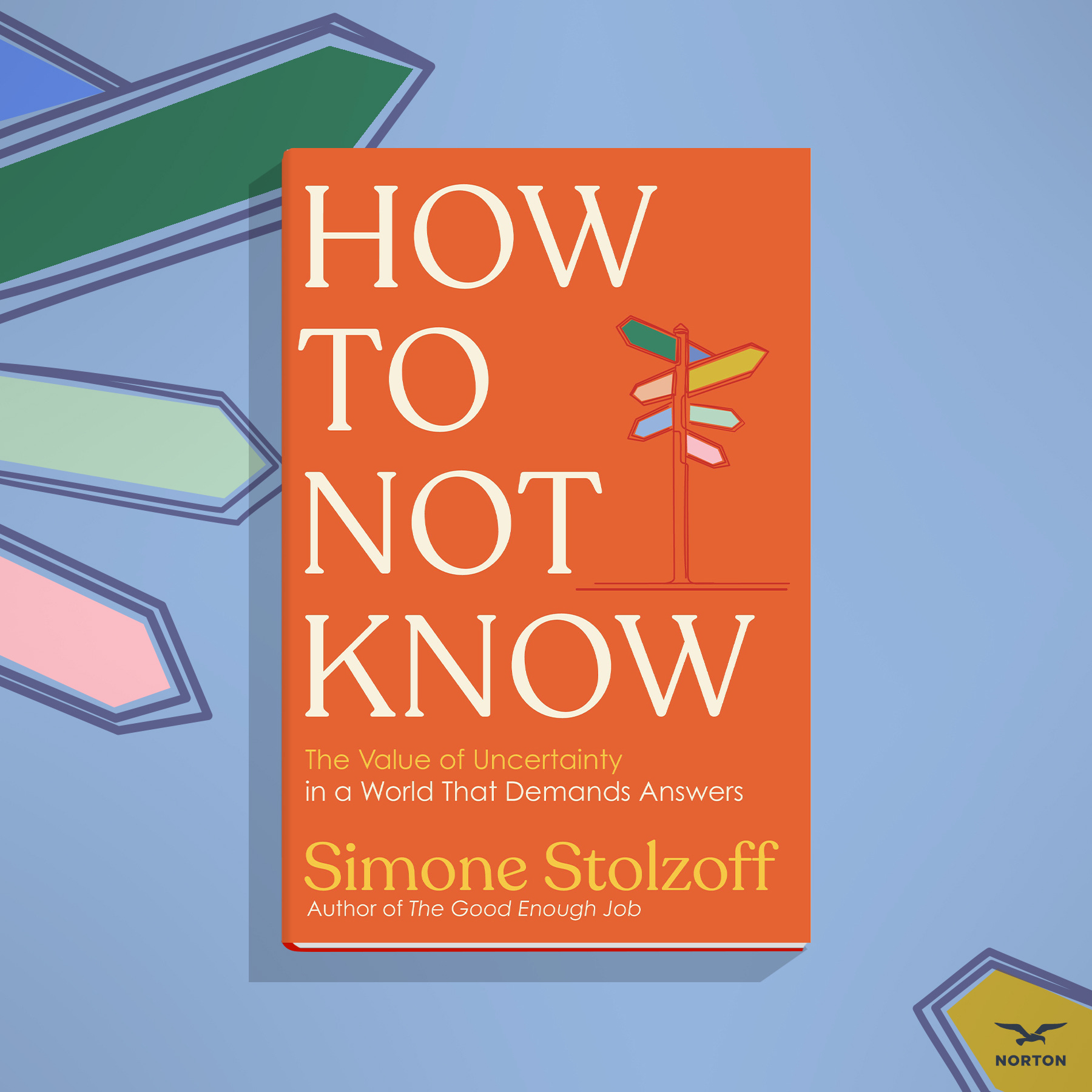
I often wonder what the psychological impact is of trying to build a sustainable career in an industry that is so constantly in flux and facing such existential threats. A new book from our former Quartz colleague Simone Stolzoff, How Not to Know, out this week, offers a framework for dealing with uncertainty by building a tolerance for the unknown and being curious about what these moments can teach us.
“It’s somehow more comfortable to expect the worst than to deal with the worry of not knowing our fate,” Simone told me – hard words to hear for someone who typically expects the worst in many situations and has a very low bar for ambiguity.
Simone has offered some sage advice in The Writethrough before on how to navigate feeling stuck at work and how to know when you’re asking your network too much and want to give back. His direct and relatable way of writing always makes reading his advice a joy – like you really have someone in your corner.
This style of writing is why I tore through his first book, The Good Enough Job, in which he urged readers to consider what their lives would look like if their careers weren’t their entire identity – a piece well-timed for its publication in the immediate aftermath of the pandemic. How Not to Know comes as so many of us are trying to figure out how to stay sane and grounded at a time when the world order is crumbling and everything feels like it is changing faster than we can keep up with.
I asked him what his advice is for young and mid-career journalists navigating this moment and whether the fact that journalism is a vocation complicates things. Most importantly, I wanted to know what the tipping point was from his perspective between tolerating uncertainty and making a change. His advice offers a path through unclear ways ahead. — Jackie Bischof
Pick an AI card, any card
But first: To add to the recent excellent advice from newsroom transformation coach Camilla Bath, who we profiled recently, we’d like to highlight MethodKit for Journalism & AI — a set of cards designed for newsrooms to think about the purpose of generative AI in their editorial workflow. Developed by a team of journalists and media experts and the DW Akademie, the kit is intended to help teams understand everything about the transformative effect of this technology, from “from understanding key concepts and developments, to assessing workflows, identifying meaningful use cases, building skills, managing risks, and defining ethical boundaries.” Read more here.
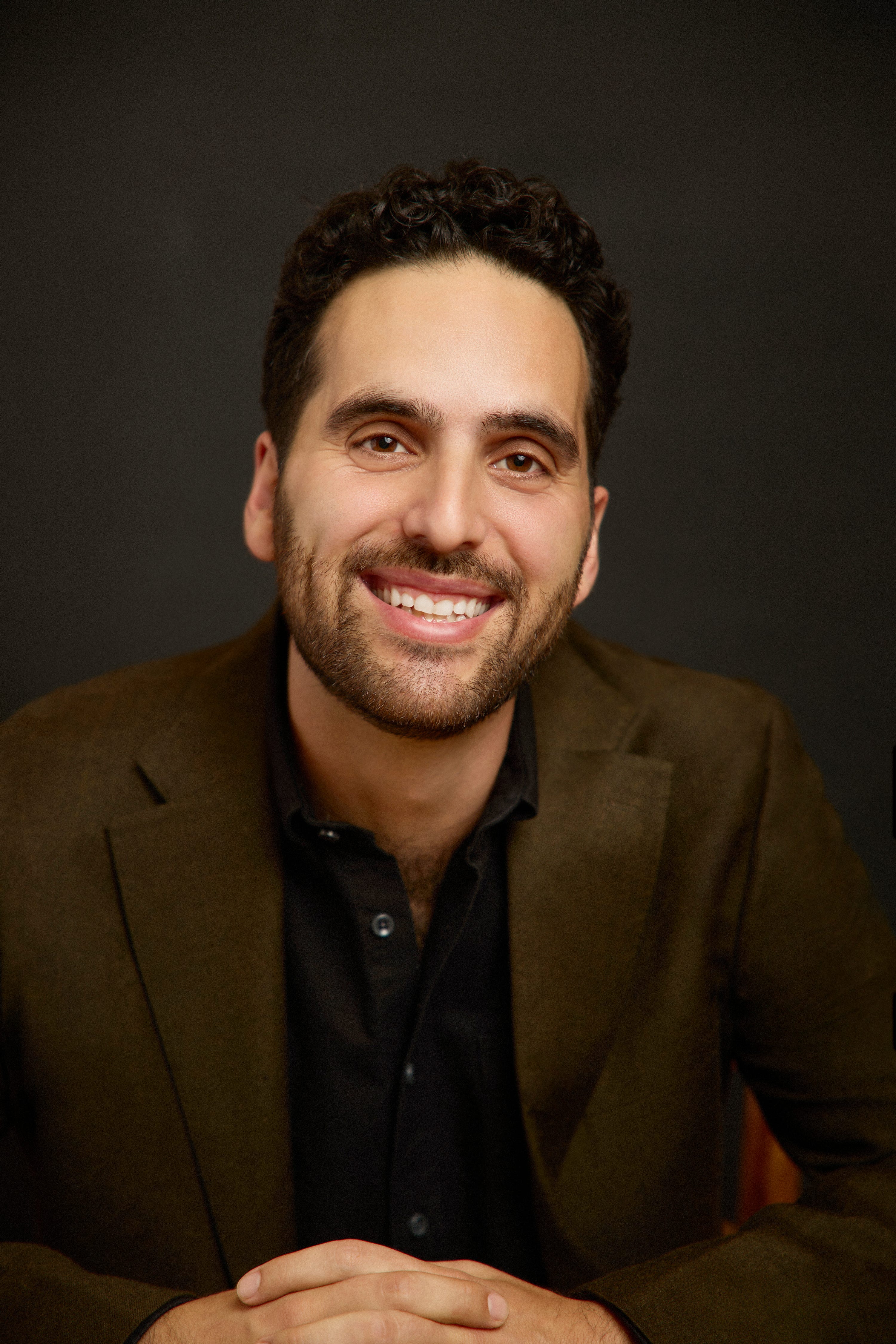
“Uncertainty tolerance is a skill that can be built”: Career advice from Simone Stolzoff, author of “How Not to Know”
What’s your advice for particularly early and mid-career journalists trying to navigate this moment?
There are two things I tell any early-career journalist. The first is to cultivate expertise. Developing expertise allows the value of your work to compound over time. Whether your expertise is your beat, a medium, or the types of stories you like to tell, developing a — dare I say — personal brand makes you more marketable and gives you more optionality inside and outside newsrooms.
The second is that you have to be willing to experiment. I left journalism to join a design firm called IDEO, where we had a saying: “Never come to a meeting without a prototype.” If you have a fresh idea, don’t wait for permission to try it — the silver lining of an industry in flux is the constant need for innovation, wherever it may come from.
The fact that many see journalism as a vocation cuts both ways. On one hand, I’ve never worked in an industry with more passionate colleagues. On the other hand, this same passion provides air cover for injustices in the field. One take is that uncertainty can be weathered by those who can afford to do so, but that isn’t the whole story. We all face uncertainty. Sure, having a trust fund or a W-2 job is a nice hedge, but I’ve met plenty of rich people so intolerant of uncertainty that they stay in a status quo they know they hate out of fear of facing the unknown.
I wrote How to Not Know because I believe (with the support of research) that uncertainty tolerance is a skill that can be built. We are not in a golden age of journalism where freelancers get paid $4 a word. But there are still lots of exciting opportunities in this industry. Who am I to tell you whether you should stay or go? But regardless of what you choose, you need to cultivate the faith that you can make it through the fog to whatever is waiting on the other side.
We all suffer from a bit of status quo bias. We also, on the whole, hate ambiguity. In one of my favorite studies from How to Not Know, research participants who had a 50 percent chance of receiving a painful electric shock felt far more stressed than those who knew they were definitely going to receive a shock. It’s somehow more comfortable to expect the worst than to deal with the worry of not knowing our fate.
That being said, if you work in a field like journalism, there isn’t much certainty on offer either. There are some heuristics in the book for when you’re standing at a career crossroads — questions I like, such as: which option feels more expansive (as opposed to contracted)? Or which option is more in line with your aspirational self? The first gets you out of your mind and into your body. The second connects your choice to your values. But at the end of the day, heuristics like these are tools, not panaceas.
As the psychologist Rollo May puts it, “Commitment is healthiest when it is not without doubt, but in spite of doubt.” Only you know what is best for you right now, in this season of your life. But having spent a few years thinking about questions like these, I often come back to the idea that there is no “right” choice — but we have the agency to make any choice right.
Simone Stolzoff is an author, journalist, TED speaker, and workplace expert from San Francisco. A former design lead at the global innovation firm IDEO, he regularly works with leaders on how to make the workplace more human-centered. His journalism has been featured in The New York Times, The Atlantic, The Wall Street Journal, and various other publications. His debut book The Good Enough Job: Reclaiming Life from Work was a bestseller. You can follow him on Substack at The Article Book Club.
Thanks for featuring me/my book!!