
Journalism without top-down decisions: Jaya Saxena on launching Ravenous
Jaya Saxena, co-founder of the new food media publication Ravenous, on a new way of doing food media

Welcome to The Writethrough. Last week, Simone Stolzoff discussed developing skills to cope with uncertainty. This week: Jaya Saxena on the new worker-owned food media company Ravenous.
Bagels are getting worse, and so is the grocery store shopping experience. Tuna tostadas and pay-what-you-can restaurant models are on the rise. And snack cups that fit on top of your drink are the technological innovation we’ve been waiting for.
This is a sampling of the latest stories on Ravenous, a recently launched, worker-owned food media company formed by five former writers of food website Eater. I’m always thrilled to see a new independent publication launch, and that goes double when talented writers and editors get to have the final say on creative and business matters alike.
This week, we got a chance to learn more about the vision for Ravenous from Jaya Saxena, a Ravenous co-founder who also happens to be a writer I’ve been following since way back at The Hairpin (RIP), where she penned such gems as recipes that involved cooking with Pharell’s bygone lady-focused liquer Qream (RIP). Read on for her thoughts on how the pitfalls of SEO strategy have affected lifestyle media in particular, overcoming subscription fatigue, and what to know if you’d like one of your essays or articles to land in the Best Food and Travel Writing anthologies one day. — Sarah Todd
‘Worker-owned media will not solve every problem’ — but it may solve some
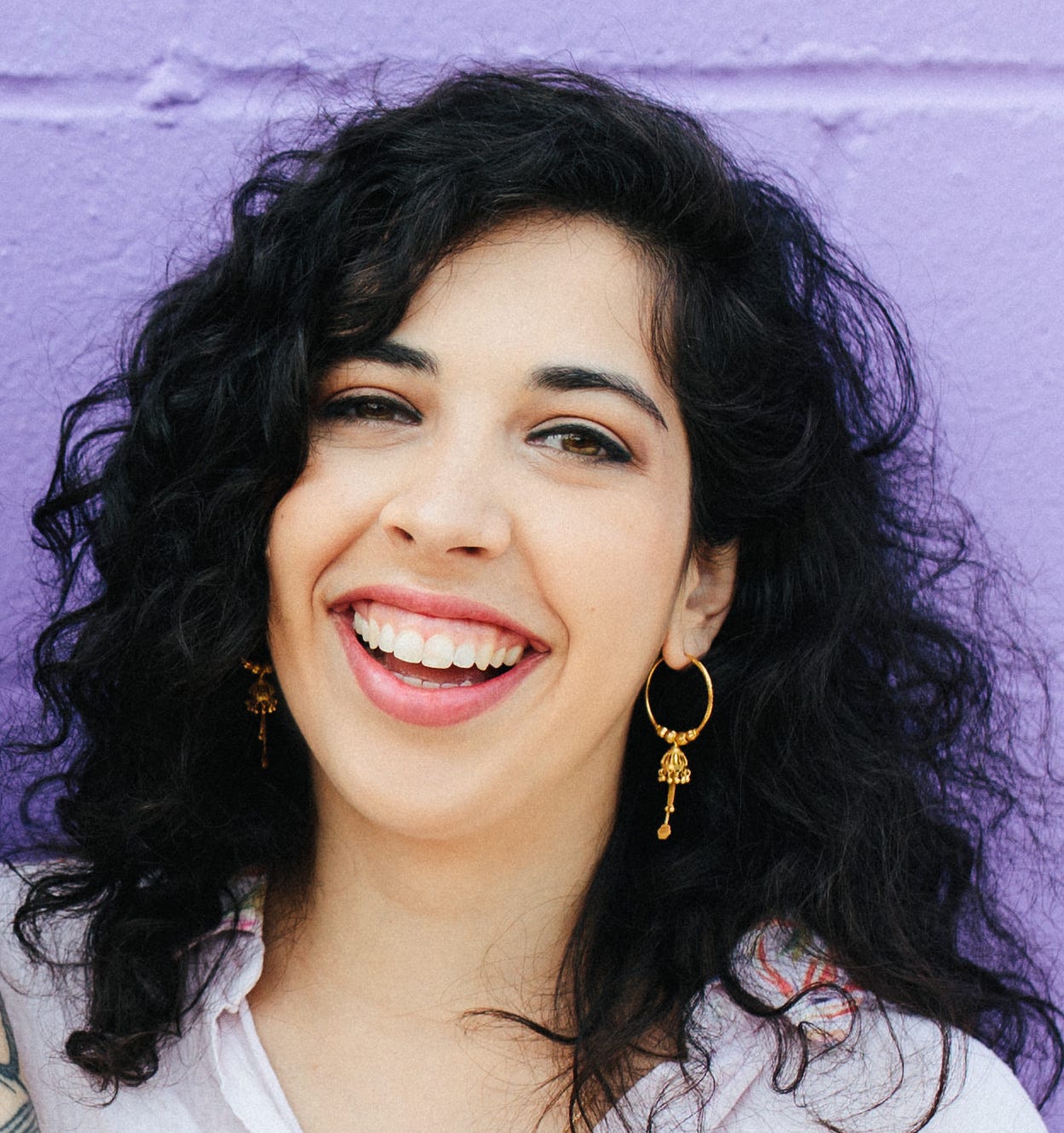
Jaya Saxena is a founding worker-owner at Ravenous. She is also the series editor of the Best American Food and Travel Writing anthology. She lives in Queens, NY.
As Ravenous notes, there’s a growing worker-owned media movement not just broadly but specifically in food, with Gourmet and Best Food Blog as two prime examples. Why do you think food media in particular is a good fit for the worker-owned model?
I think food media has been particularly affected by the problems facing digital media as a whole. Digital media for a long time relied on SEO optimization, and casting a wide reader net in order to get page views, which they could use to get money from advertisers. But recently, as much of internet search has been replaced by AI results, and as advertisers have realized SEO algorithms were maybe not so accurate, money has dried up. Often, “lifestyle” media is the first to go at newspapers when that happens. It’s no surprise, for instance, that a lot of recent layoffs at the Washington Post were in the food and sports sections. I think there are a lot of talented food writers and journalists out there whose jobs have been precarious for a long time, and who see the promise of a different model.
Are there any tenants of traditional/legacy food writing that you want to challenge with Ravenous? What are they?
There’s no one we want to go after specifically, but I think we’ve seen how at a lot of longstanding food magazines and sites, in-depth reporting and writing has been jettisoned in favor of restaurant recommendations, shopping lists, and recipes. And we just think there should still be room for what we want to do.
One of the things I think is fascinating about worker-owned media is the opportunity to create your own structure. What does the process look like so far for making editorial and business decisions with your co-founders?
It is a lot of work, far more intricate and complicated than just having a boss who tells you what to do, but it’s much more fulfilling. We are lucky in that we have all worked in unionized offices before, and done union bargaining or organizing, so we understand the process of consensus-based decision making. We are trying to put structures in place that emphasize consensus, equity, and transparency, so we all feel comfortable – and are all accountable – for every big business decision that is made. And we’ve had great support from other worker-owned coops, who have walked us through what has worked and what hasn’t in their own workplaces.
One of the things you say Ravenous won’t include is lists. Why not?
Mostly we feel that if you want to know where the best cheesecake in X city is, there are so many places for you to find that information. We are a small group of worker owners, and with that information already plentiful, we feel our efforts are best put elsewhere.
A lot of journalists are going independent and launching their own newsletters rather than face the perpetual threat of layoffs. But even people who are happy to pay for journalism often note that they can only afford so many subscriptions. Could worker-owned media be a solution to that, operating on a model similar to magazines? How does Ravenous plan to navigate the threat of potential subscription fatigue?
Worker-owned media will not solve every problem journalism is facing right now. We are extremely aware of subscription fatigue. There are so many great reporters doing great work, and I only have so much money. But I think having multiple worker-owners just lightens the load and makes the work better, because journalism has always been a collective effort. You mentioned magazines—you never just paid for one writer, you paid for a mix of voices and stories, and the editing, design, and research work behind it. The five of us can edit each other, switch off taking care of doing website troubleshooting or business paperwork, field reader emails, etc. And we can do it in a way that doesn’t involve top-down decisionmaking. That being said, we understand relying on subscription dollars and having so many great places asking for your money makes for a tricky market. I think we’re just excited to see what happens, and to keep making decisions about that together.
There’s a lot of talk these days about how reader/audience loyalty relies on personality — not just the quality of the work but people feeling connected to the journalist as an individual. From your perspective, is that… good? Bad? How do you think about that factor in your own career and now in building an independent publication?
I really have mixed feelings about this. Personally, I’m a writer, that’s the skill I’ve spent my career developing. Certainly I hope people recognize that I have a distinct voice and seek out my work for that reason. But having a social media or a video presence, or just the expectation that your private life is public in some way, is so often assumed to come with that, and I don’t think that should be a mandatory part of the job. I do think the five of us have people who know and value our work, and many of our early subscribers are here because they know us and trust us, and I think that’s an incredible thing we’ve each been able to build. I just hope the work matters more than the “personality.”
You were at Eater for more than 6 years. What are some of the most important things you learned as a food writer while you were there?
I got to work with so many brilliant, dedicated people at Eater, and for a long time it was a space that really allowed me to experiment and grow as a writer. I think it’s really hard to become a better writer if you’re not being edited or just brainstorming with other sharp minds. That’s absolutely something we hope to bring to Ravenous.
You’re also the editor of the annual Best American Food and Travel Writing series. What’s one thing you think writers should know (but mostly don’t) about the process of going through submissions and eventually selecting stories for an anthology?
We do have submission guidelines, so #1 is to please read those! Otherwise, I think what we always look for is not just great pieces of food and travel writing, but great pieces of writing period. We are looking for great, timely, specific stories, and for those stories to be told beautifully.